
How it works
You file a coin on pump.fun through this site and pick one machine for it. The machine is written into the coin's record on chain and never changes. From then on the coin's creator fees run that machine.
The five machines



Furnace · Burn
Buys its coin with its fees and burns every token it bought in the same instruction. It cannot sell, send or keep a token. Burning lowers the supply; it is not a price floor.
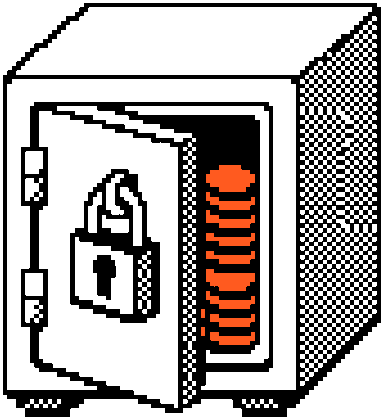
Safe · Vault
Buys its coin and keeps it on its treasury. The program has no instruction that moves those coins anywhere, so they are out of circulation for as long as the record exists. A lock clock of 30, 90, 180 or 365 days, picked at filing, renews each time it ends.
Tap · Liquidity
Waits for the coin's PumpSwap pool. Then each move buys with part of the budget and adds the coins and the rest of the SOL to the pool in the ratio the pool asks for. It holds the pool tokens; no instruction withdraws them. Deeper liquidity means a trade moves the price less.
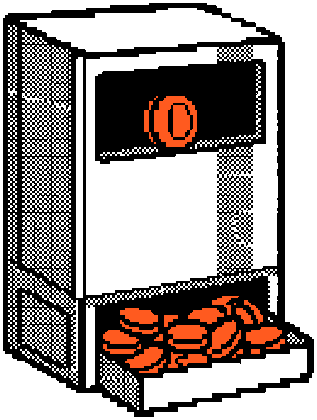
Dispenser · Cashback
Never trades. It runs rounds back to back, each holding at most half of its treasury, and pays new buyers who still hold. Full rules below.
Balance · Market Maker
No model. It buys after a full band of fall from its recorded high and sells only the tokens it bought after the same band of rise over its average entry. Full rules below.
What the model decides
For the Furnace, the Safe and the Tap a model picks the moment to move. It sees numbers from the chain only: the money ready, minutes since the last move, the price path over five minutes, an hour and six hours, and the spot against its recent median. It never sees text anyone wrote, so a coin's name or description cannot talk to it.
The model runs on a cheap model with a daily call budget; past it, the fixed schedule decides and the log says so.
Where the fees go
Dispenser rules
Who gets paid is computed by code from the coin's own trades on chain, never by the model.
- A round lasts a few hours and holds at most half of the Dispenser's treasury; the next one opens once there is at least 0.02 SOL to put in it
- A wallet's buys of the coin during the round adding up to at least 0.05 SOL earn 5% of that SOL back
- Only if the wallet made no sell of the coin during the round and still holds 80% of what it bought when the list is posted
- Not paid: sellers and round trips, the machine's own addresses, the keeper, the house wallet and the coin's launcher
- One wallet gets at most a tenth of the round; a list that would pass the budget is scaled down
- Each wallet claims its own share once, from the coin's page. The program checks the list, the cap, and that the wallet still holds what the list says
- A round's unclaimed money goes back to the Dispenser when the round after it is posted
No raffles and no ranking by volume. A wash trader pays the trading fees on every leg and can only get back a slice of the creator share, so trading against yourself never pays.
Balance rules
- Its band is 10, 20 or 30%, picked at filing
- Buy: when the median price is the band under its recorded high, with 90% of what it may spend. The high then resets to that median, so a further buy needs a further fall
- Sell: when the median is the band over its average entry, only tokens it bought, at most a safe share of the market at a time
- Both only at a spot within 10% of the median, at least five minutes after its last trade. Anyone may crank it; the program checks every condition
- It can buy into a coin that keeps falling and hold it. Selling into a rise caps what it makes
The house desk
SCOUT reads what is trending, by name only. LAUNCHER drafts one original coin from a theme, picks its machine with a public reason, and a second pass withholds anything about real people, brands, live tickers, tragedies, hate or returns. Withheld drafts are shown.
What you are trusting
The program enforces
- Each coin's machine and settings, fixed at filing
- The split of every collect
- What each machine may do and what it cannot: no sell for the Furnace, the Safe and the Tap, no withdrawal of the Safe's coins or the Tap's pool tokens, no sell of tokens the Balance did not buy
- Steps, the 90% share, the market share cap, the price guard, the waits, the Balance's band
- Round budgets, the per-wallet cap, one claim per wallet, the holding check
- The house cap and the no-first-buy rule
You rely on us for
- The keeper calling collect and moving on time; if it stops, anyone may push an overdue move
- The moment the model picks, inside the limits on the left
- The Dispenser's payout list: computed by our code from on-chain trades and published; the program caps it but cannot recompute it
- The site's numbers, which come from the program's records and the chain
- The program's upgrade authority, held by the dev for fixes and pump.fun changes
The keeper's key can only trigger moves inside these rules and post Dispenser lists. It cannot take a machine's money anywhere.
Risks
- Memecoins are extremely volatile. A coin can go to zero
- Machines spend creator fees, and fees exist only while people trade. No machine promises activity or a price
- The model can be wrong; the limits cap how much one decision spends, not whether it was good
- The Balance can lose money, and its trades move a thin market
- pump.fun, PumpSwap and this program are software; a bug in any of them can lose funds. pump.fun keeps powers over its own programs
- Nothing here is financial advice or a promise of returns
Questions
Is this a volume bot?
No. The Furnace, the Safe and the Tap only buy. The Dispenser never trades. The Balance trades only on a full band move, five minutes apart, and sells only what it bought.
Can I change my coin's machine?
No. It is written into the record on chain at filing.
Do I earn anything as the launcher?
Not from the fees: they run the machine. You keep whatever you bought yourself.
What if the coin never reaches its pool?
The Furnace, the Safe, the Dispenser and the Balance work on the bonding curve too. The Tap keeps its fees until the pool exists.
What if the keeper stops?
Fees wait on pump.fun until a collect, which anyone can call. Overdue moves can be pushed by anyone after the longest wait.